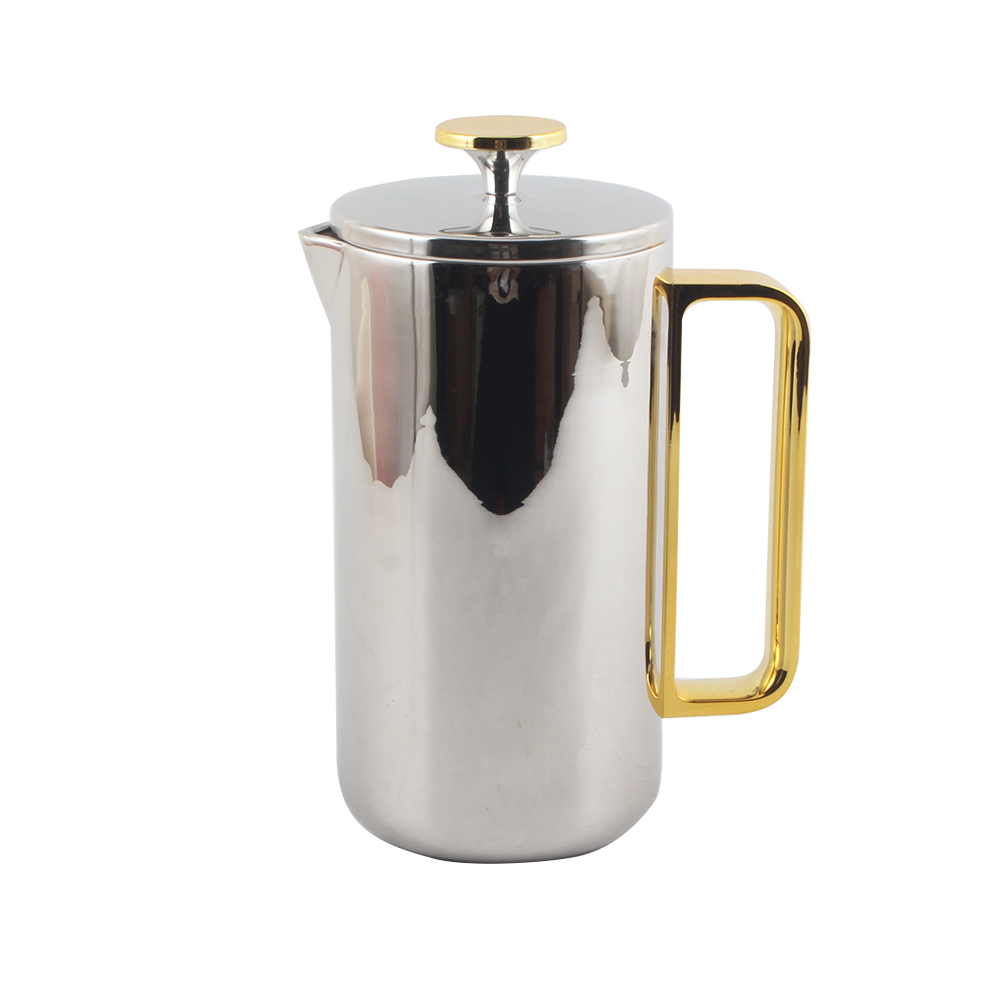
A French press is one of the simplest ways to brew coffee with full body and strong aroma. Instead of using paper filters, it steeps ground coffee in hot water and separates the grounds with a metal mesh plunger. That steeping method preserves more natural oils, which is why French press coffee often tastes richer than drip coffee.
This guide explains how to use a French press step by step, how to choose grind size and ratios, how to control brew time for different flavor styles, and how to clean it correctly so every cup stays fresh. If you want heat retention and a cleaner countertop experience, a double-wall stainless steel model is a practical upgrade, such as WELLWAY’s double wall french press.
French press brewing is forgiving, but consistency comes from controlling a few basics: coffee dose, water temperature, grind size, and time. A digital scale helps, but you can still get reliable results if you measure carefully.
The essentials:
French press brewer
Coffee beans or fresh ground coffee
Kettle and hot water
Spoon or stirrer
Timer
Mug or serving cup
If you are using a double-wall Stainless Steel French Press, preheating is still useful, but the insulated body helps hold a stable brewing temperature longer than a single-wall glass beaker.
French press works best with a coarse, even grind. If the grind is too fine, more sediment passes through the mesh and the coffee can taste bitter because extraction happens too fast. If the grind is too coarse, the coffee may taste thin because water cannot pull enough flavor from the grounds within the steep time.
A consistent coarse grind supports two things at once: cleaner separation during plunging and predictable extraction during the steep. If your coffee tastes harsh, the grind is often too fine or the steep is too long. If it tastes weak, it is often too coarse or under-dosed.
A good starting ratio for most coffees is around 1:15 to 1:17 coffee-to-water by weight. Stronger coffee uses a lower ratio number, while lighter coffee uses a higher ratio number.
| Cup Style | Coffee-to-Water Ratio | Example Coffee Dose | Example Water Volume |
|---|---|---|---|
| Strong, bold | 1:15 | 20 g | 300 ml |
| Balanced daily cup | 1:16 | 20 g | 320 ml |
| Lighter, brighter | 1:17 | 20 g | 340 ml |
If you do not have a scale, you can still use a consistent scoop method, but weighing improves repeatability, especially if you brew for multiple people.
Water that is too hot can pull harsh bitterness. Water that is too cool can produce sour, under-extracted coffee. A practical target range is just below boiling for most medium roasts. Dark roasts often taste better with slightly cooler water.
If you boil water, letting it rest briefly before pouring gives a more stable brew. A double-wall french press helps keep temperature steadier during the steep, which supports more even extraction, especially in cooler rooms.
Rinse the press with hot water and then discard the water. This warms the brewer and reduces temperature drop during brewing. With an insulated double-wall press, preheating still helps, but the main benefit is improving consistency cup to cup.
Add your coarse ground coffee to the empty French press. If you want less sediment, gently shake the press to level the bed of coffee.
Pour a small amount of hot water over the grounds, just enough to fully wet them. Stir gently to ensure all grounds are saturated. This bloom step releases trapped gas and helps create more even extraction, especially with fresh coffee.
Pour the rest of the water to your target volume. Place the lid on with the plunger pulled up so the coffee steeps without pressing yet. Start your timer.
A common steep time is around 4 minutes for a balanced cup. You can adjust time based on taste. Shorter steep time can reduce heaviness and bitterness. Slightly longer can increase body, but pushing too long increases the chance of harsh flavors.
At around the 4-minute mark, remove the lid and stir the surface gently to break the crust. If you want a cleaner cup, you can skim floating foam and fine particles off the top. This step is optional but can improve clarity.
Place the lid back on and press down slowly with steady pressure. A slow plunge reduces agitation and helps keep fines from passing through the mesh. If plunging feels extremely hard, the grind may be too fine.
Pour the brewed coffee right away. Leaving coffee in the press continues extraction and can make it bitter over time. If you are brewing for multiple servings, transfer the coffee to a thermal carafe or serve quickly to keep flavor balanced.
WELLWAY’s double wall french press design is built for heat retention and durable daily use, which is especially useful when serving more than one cup.
French press brewing is easy to correct because small changes make clear differences.
If the coffee tastes bitter or harsh, reduce steep time, use a slightly coarser grind, or lower water temperature a bit. If the coffee tastes sour or weak, increase dose slightly, steep a little longer, or use a slightly finer coarse setting while staying out of espresso-fine territory.
If the cup is too gritty, the grind may be too fine or inconsistent. Switching to a better grinder or using a coarser setting usually improves clarity.
A few habits create most French press problems:
Using fine grind meant for drip or espresso
Plunging too fast and stirring up fines
Leaving brewed coffee in the press too long
Skipping consistency in coffee dose and water volume
Cleaning poorly and leaving oils in the mesh filter
A stainless steel double-wall press can help with durability and temperature stability, but good technique is still the main driver of taste.
Cleaning matters because coffee oils turn rancid and create unpleasant flavors. Disassemble the plunger, rinse all parts, and wash with warm water and mild detergent. For mesh screens, check for trapped fines and brush gently if needed.
After cleaning, dry parts thoroughly before reassembling. Stainless steel bodies are easier to maintain in busy kitchens because they resist breakage and handle frequent washing well.
For consistent performance and easier daily handling, WELLWAY’s double wall french press is a practical option for home users and hospitality settings.
To use a French press well, focus on coarse grind, a consistent coffee-to-water ratio, stable hot water temperature, a controlled steep time, and a slow plunge. Serve immediately after pressing to prevent over-extraction, and clean thoroughly to keep flavors fresh. With repeatable settings and a durable insulated brewer, French press coffee becomes an easy daily routine that delivers rich body and strong aroma.
If you want better heat retention and long-term durability for frequent brewing, explore WELLWAY’s double wall french press options.
Previous: How To Choose Cookware Sets?