
A milk frothing pitcher, also called a milk jug frother, is one of the most important tools for making consistent steamed milk. It is not only a container that holds milk. The pitcher controls how milk spins, how foam integrates, and how easily you can pour a clean pattern into espresso. The spout shape influences latte art lines, the handle and balance affect wrist control, and the stainless steel body helps you feel temperature changes during steaming.
This guide explains how to use a milk frothing pitcher correctly for cappuccino foam and latte microfoam, how to choose the right size, and how to clean and maintain it for daily café or home use. You can view WELLWAY options here: milk jug frother.
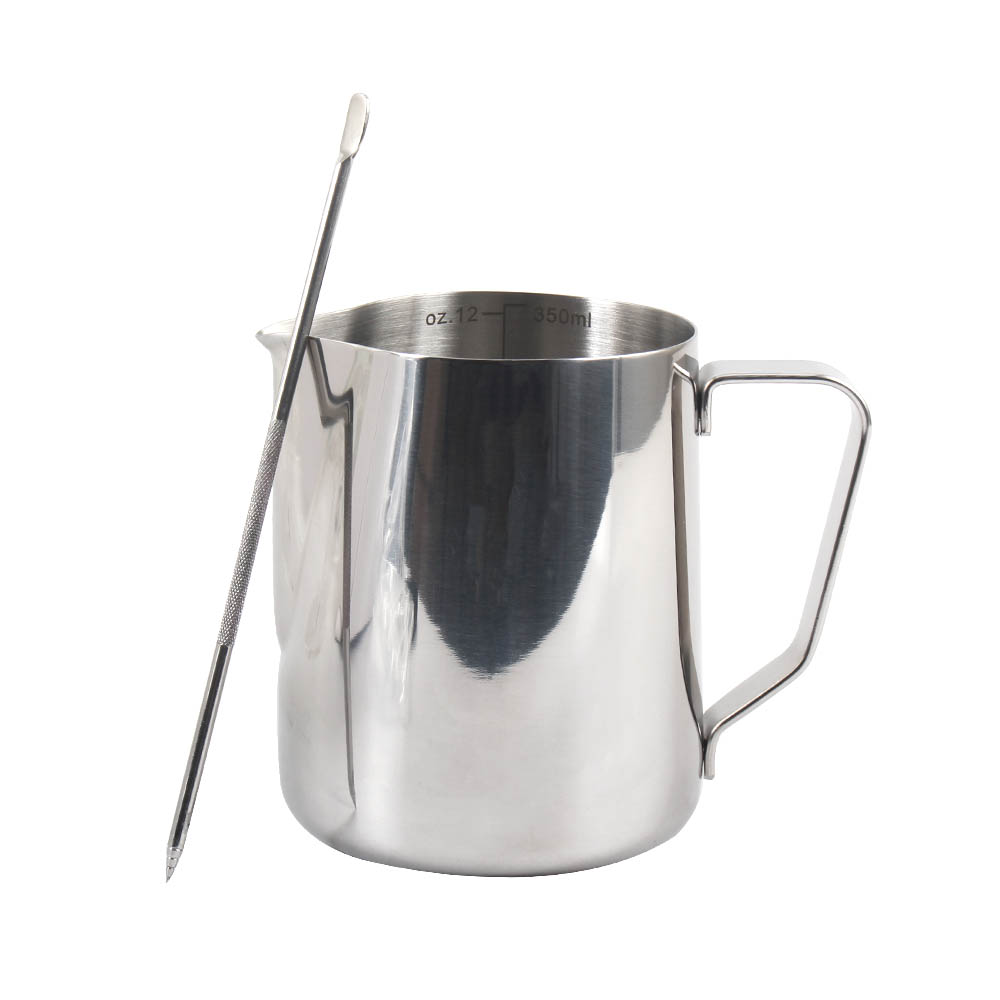
Steamed milk quality depends on two phases: aeration and texturing. Aeration introduces air to create foam. Texturing breaks larger bubbles into fine microfoam and integrates foam into liquid milk. A good pitcher makes both phases easier because its shape supports controlled swirling and keeps milk circulation stable while you steam.
If the pitcher is too large, the milk depth is too shallow and you lose control. If it is too small, milk expands and overflows during aeration. If the spout is poorly formed, the pour becomes messy even when the milk texture is good.
Pitcher size is the most common reason beginners struggle. Correct sizing keeps milk depth appropriate for the steam wand and prevents wasted milk.
A simple sizing approach is matching pitcher volume to your drink size while leaving room for expansion. When steaming, milk expands as it warms and traps air. You need headspace so the milk can roll without spilling.
| Drink Type | Typical Milk Volume to Steam | Pitcher Size Range | Why It Works |
|---|---|---|---|
| Single cappuccino | 120–180 ml | 350–450 ml | Gives room for foam expansion and rolling |
| Single latte | 180–250 ml | 450–600 ml | Supports stable whirlpool for microfoam |
| Two drinks | 300–450 ml | 600–900 ml | Maintains depth for consistent texturing |
| Service prep | 450–650 ml | 900–1200 ml | Better heat stability and controlled pour |
If you are working in a café, having multiple sizes improves consistency across different order types and reduces milk waste.
Milk foam quality depends on protein and fat. Protein builds the foam structure. Fat influences sweetness, mouthfeel, and how glossy the microfoam becomes. Fresh cold milk is easier to control because it gives you more time to texture before reaching serving temperature.
For predictable results, start with cold milk straight from the refrigerator and avoid filling the pitcher too high. If the milk is warm before steaming, the aeration window becomes short and foam often turns dry or separated.
Pour cold milk into the pitcher to the correct level. Many baristas use the bottom of the spout as a practical fill reference, but the exact level depends on pitcher size. The goal is enough depth so the steam tip can sit slightly below the surface during texturing without sucking air.
Wipe the pitcher exterior dry so your hand can feel temperature changes and you can keep a stable grip.
Purge the steam wand briefly to remove condensation. This prevents water from thinning your milk and ruining foam stability.
Angle the pitcher so the steam wand creates a whirlpool. The best position is usually slightly off-center, not directly in the middle. Off-center placement encourages milk rotation and helps microfoam integrate.
Place the steam tip near the milk surface and start steaming. You want a gentle paper-tearing sound, not loud splashing. That sound indicates controlled air intake.
Keep aeration short and precise. For latte microfoam, aeration is brief because you want fine texture and glossy milk. For cappuccino foam, aeration lasts slightly longer because you want more volume.
After aeration, lower the steam tip slightly deeper to stop adding air and focus on creating a stable whirlpool. This breaks larger bubbles into fine microfoam and blends foam into the milk.
During this phase, the milk surface should look smooth and glossy. If you see large bubbles, the wand is too close to the surface or the whirlpool is weak.
Overheating destroys sweetness and makes foam dry. A practical target is hot enough to be comfortable but not burning when you touch the pitcher. For cafés, many aim for a serving range around 55–65°C depending on recipe and cup type.
Once you reach temperature, turn off steam first, then remove the wand from the milk. This sequence helps prevent splashing and keeps foam structure stable.
Even well-steamed milk can separate if you do not finish it correctly. Swirl the pitcher firmly to keep foam integrated and tap it lightly on the counter to break any surface bubbles. The milk should look like wet paint, glossy and uniform.
If you wait too long, foam rises and liquid sinks. Swirl again before pouring to restore consistency.
Pouring is where the pitcher spout and balance matter. Hold the cup at a slight angle and begin with a higher pour to sink milk into espresso and build a base. Then lower the pitcher closer to the surface and increase flow to draw art.
For cappuccino, pour slightly faster to deliver more foam. For lattes, maintain a steady controlled flow to keep microfoam smooth and create clean white lines.
A well-formed spout gives better flow control and helps you place the pour exactly where you want it. This is one reason many cafés choose stainless steel pitchers designed for stable grip and consistent spout geometry.
To explore pitcher styles and sizes for different service needs, visit WELLWAY’s milk jug frother collection.
Milk frothing issues usually come from positioning and timing rather than the machine.
If foam is too dry and stiff, you are adding too much air or overheating the milk. Reduce aeration time and stop sooner. If milk is thin with little foam, aeration is too short or the wand is too deep during the first seconds. Raise the tip slightly to introduce air gently.
If you see big bubbles, the steam wand is sucking air too aggressively or the whirlpool is not stable. Adjust angle and position to create stronger rotation, then refine aeration sound to be softer and controlled.
If milk separates quickly, swirl more aggressively right after steaming and pour sooner.
A milk pitcher touches dairy, so cleaning affects both taste and safety. Rinse the pitcher immediately after use to avoid milk proteins baking onto the steel. Wash with warm water and a mild detergent, then rinse fully.
For café workflows, avoid soaking milk residue for long periods because it can create odor and staining. Dry the pitcher to prevent water spots and maintain a clean appearance on service counters.
Stainless steel pitchers are preferred for daily use because they handle frequent washing well and keep a stable shape over time, which supports consistent steaming.
Using a milk frothing pitcher correctly is about controlling aeration, building a stable whirlpool, stopping at the right temperature, and finishing milk with swirling so microfoam stays glossy and integrated. The right pitcher size reduces waste and improves texture, and a well-shaped spout and balanced handle make pouring cleaner and more controlled.
If you want a reliable stainless steel pitcher for home espresso or café service, explore WELLWAY options in the milk jug frother range.